• Skip to primary navigation
  • Skip to main content

Keys To The Past

MENUMENU
  • Search the Records
  • Sites to Visit
    • Anglo-Saxon Sites
    • Medieval Sites
    • Post Medieval Sites
    • Prehistoric Sites
    • Roman Sites
    • Favourite Sites
  • Local Histories
  • Get Involved
  • Overviews
  • Glossary
  • Help
You are here: Home / Search the Records / Search Results / Results of Search / Site Details

Site Details

Raby Castle, Raby with Keverstone (Raby Castle)

Raby Castle (Copyright Don Brownlow, www.bordersphotography.co.uk)

Raby Castle © DCC 2007
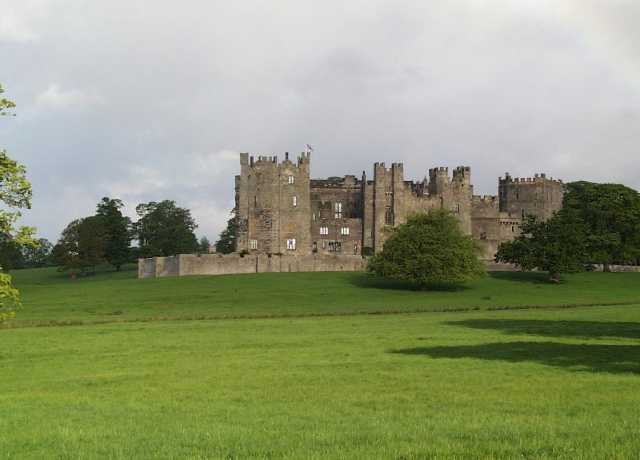

Raby Castle © DCC 2002
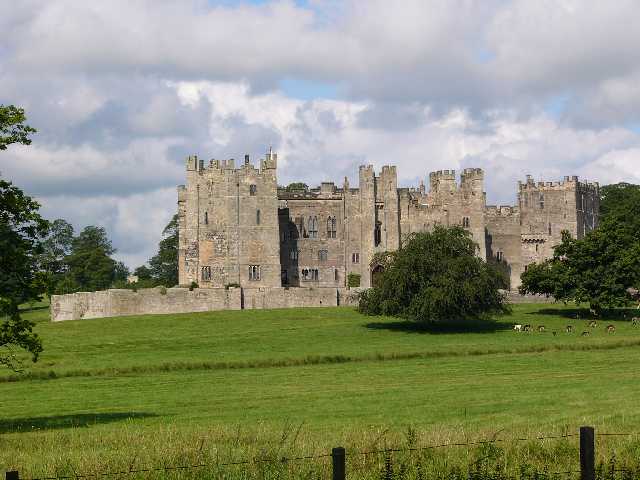

Raby Castle © DCC 2004
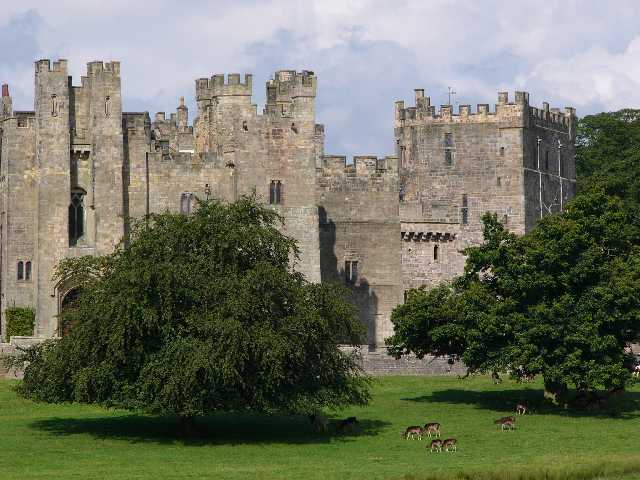
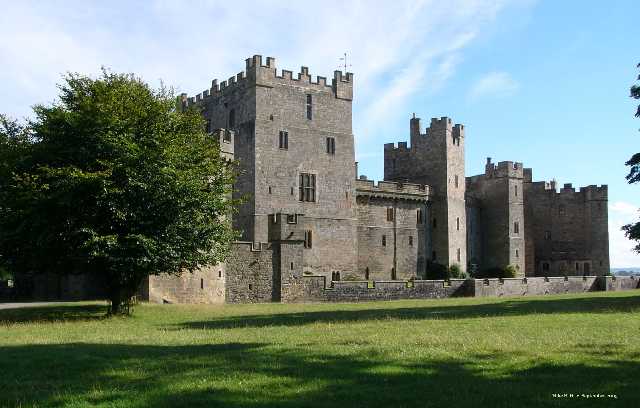
Raby Castle © DCC 2004

Raby Castle © DCC 2006
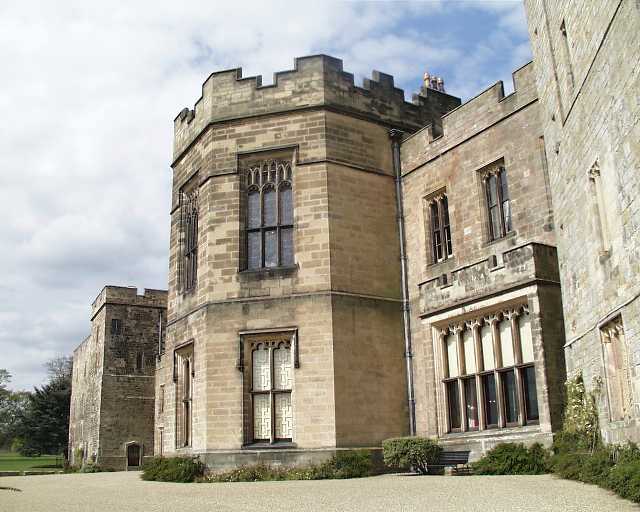

Raby Castle © DCC 2002
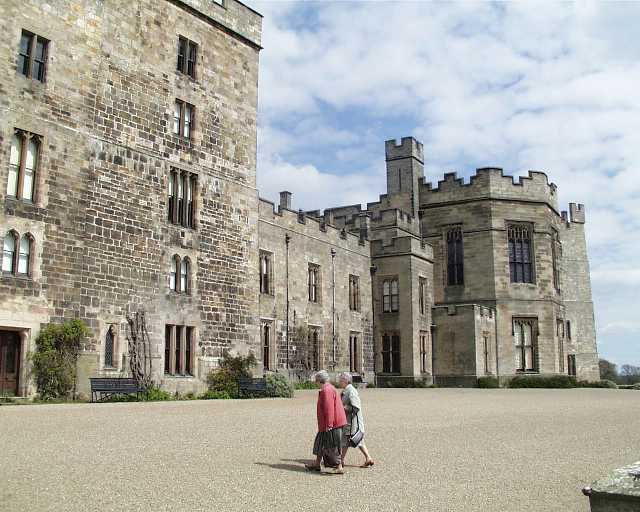
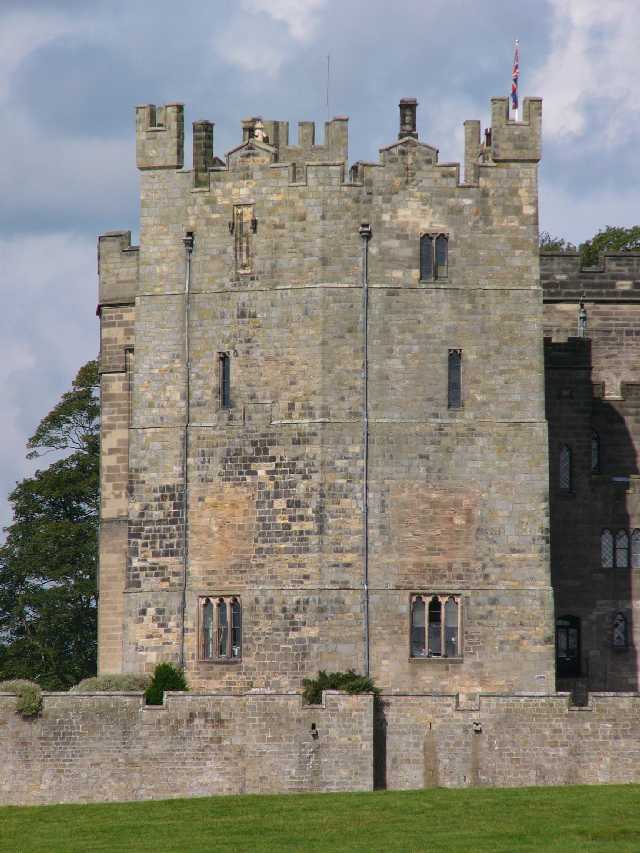
Raby Castle © DCC 2002

Raby Castle © DCC 2004
Raby Castle, which does not occupy a defensive position, has been a fortified house since circa 1130. The present castle is of one period and was erected by Ralph Neville in the latter part of the fourteenth century. Raby consists of the main house with towers connected by short walls and a large platform surrounded by a another wall. The southwest tower is Joan's Tower or Duke's Tower, the south east Bulmer's Tower has five sides and is of great strength. The northeast tower is Mount Raskelf, the northwest tower, Clifford's Tower, and the west, the Watch Tower. The chapel in the east face is of circa 1364 - a barbican, now gone, projected from it. The castle was besieged in 1645 when it surrendered to Parliament, and again in 1648 by the Royalists. It was nearly all modernised circa 1848 by Henry, Duke of Cleveland. When Barnard Castle was dismantled in 1630, many of the fittings were taken and incorporated at Raby. Bulmers Tower is said to be of 11th century date and to the west, the Octagon Drawing Room and the Dining Room were erected after 1842. (1)

Early-mid 14th century castle possibly incorporating earlier buildings. A licence to crenellate was granted in 1379. The castle was partly demolished circa 1620, and has 18th century alterations and additions. Additions and alterations were also carried out circa 1814, 1844-8 and 1864. It is irregular in plan, with nine perimeter towers and a keep, constructed of millstone grit and limestone with ashlar dressings and Lakeland slate roofs. (21)

D1692
Post Medieval (1540 to 1901)
Medieval (1066 to 1540)
Listed Building
  • National Heritage List for England Entry Number: 1338625
Registered Park or Garden of Historic Interest
  • National Heritage List for England Entry Number: 1000732


Source of Reference

Disclaimer -

Please note that this information has been compiled from a number of different sources. Durham County Council and Northumberland County Council can accept no responsibility for any inaccuracy contained therein. If you wish to use/copy any of the images, please ensure that you read the Copyright information provided.

Top of Page

Contact us | Useful links | Legal Information | Accessibility Statement | Acknowledgements

© 2021 Durham County Council and Northumberland County Council